United States - English
Canada - English
Canada - Français
Mexico - English
Mexico - Español
Latin America - English
Latin America - Español
Ear PlugsPIP® 267-HPB410
Electrical Glove ProtectionPIP® 148-4000
Insulating GlovesNOVAX® 155-2-14
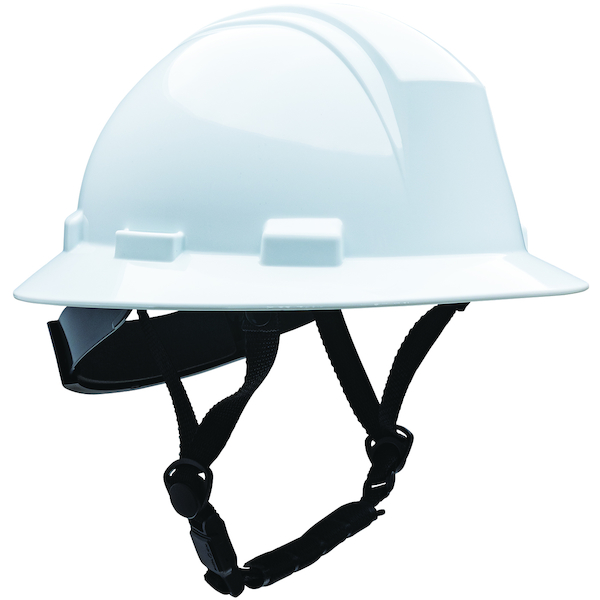
Safety HelmetsPIP® Traverse™280-HP1491RVM
Reusable FacepiecesNorth® Defender™75SCP100L
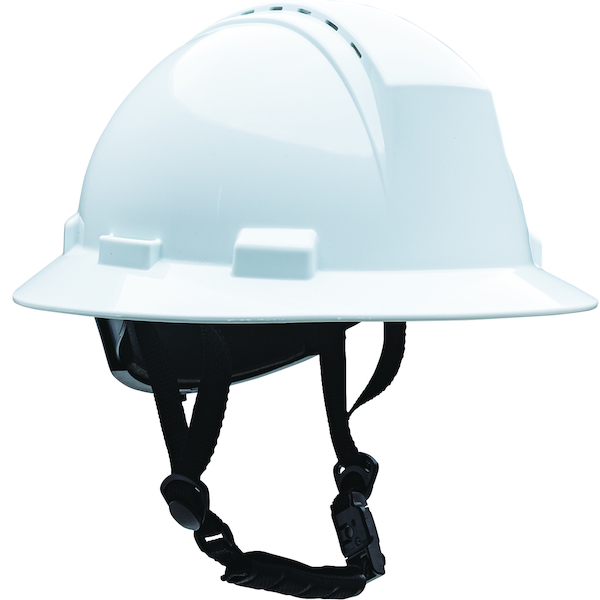
Safety HelmetsPIP® Kilimanjaro™280-HP642R-CH
Safety HelmetsPIP® Traverse™ FB280-HP1491RVM-FB
Safety HelmetsPIP® Traverse™ FB280-HP1491RM-FB
Safety HelmetsPIP® Kilimanjaro™280-HP642RV-CH
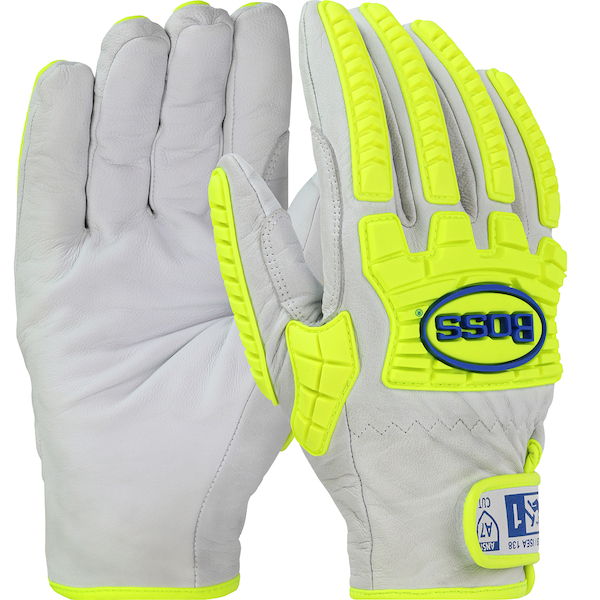
Hi Performance GloveBoss® 9916
Cut Resistant GlovesATG® MaxiCut® Ultra™44-3745
Hi-Vis ApparelPIP® 302-0500

INTERACTIVE CROSS REFERENCE

THE BROADEST LINE OF TYPE II HEAD PROTECTION

The Importance of Providing Proper Fitting PPE For Women

THE INDUSTRY'S MOST COMPREHENSIVE OFFERING OF COLD WEATHER PPE

Caiman® Kontour™Comfortable Welding Gloves
 (3).jpg)
Revolutionizing Safety with GORE-TEX Pyrad® for Unmatched Arc-Rated PPE Comfort

60% MORE COVERAGE. 100% MORE CONFIDENCE. Bouton® Site Boss™ Safety Eyewear

Essential PPE for Contamination Control in High-Sensitivity Manufacturing Environments

G-Tek® Paradox™Ultra-Lightweight 21G Technology

JSP Force Typhoon™ 8 Twin Filter Half Masks with PressToCheck™

PUMA® SAFETY SHOESHIGH-PERFORMANCE SAFETY FOOTWEAR

ATA Fiber Technology Strength Meets Comfort

Rapid
Response
ProgramOrder Today. Ships Within
One Business Day.

G-Tek® VRX™ ADVANCED PROTECTION

BioSoft™ THE WORLD'S FIRST SUSTAINABLE BIO-BASED EAR PLUGS
SAFETY IN A FLASHEflare™ Warning Beacons

THORZT™ RAPID REHYDRATIONFor the Industrial Athlete

PPE For Emergency Responders

Hand Protection

Bisley® X-Airflow™Breathable Safety Garments

How the New ANSI/ASSP Heat Stress Standard is Intensifying Workplace Safety

PPE For Emergency Responders

BOSS® FOOTWEARAdvanced Protection & Comfort

Understanding the Main Differences in Welding JacketsLeather vs. FR Cotton (Q&A)

ON-SITE PPE ASSESSMENT

DISASTER RELIEF PPEEssential Protection for Rescue and Recovery Teams

HAND AND ARM PAIRING GUIDE

HALF MASK RESPIRATORS REVOLUTIONARY FORCE TYPHOON™8

THROUGH THE WRINGERHow Industrial Launderable Workwear Stands Up to Mining and Oil & Gas

4 HIDDEN JOBSITE RISKS And How To Avoid Them

ARC-RATED PYRAD FABRIC TECHNOLOGY BY GORE-TEX LABS

ON-SITE PPE ASSESSMENT

ECO Series™ Safety Eyewear Serious About Safety, Smart About Sustainability.

MAKE THE SWAPSustainable Hearing Protection that Doesn't Break the Bank
THE CUT PROTECTION EVOLUTIONWhy It’s Time to Upgrade to A4-A6 Gloves

Barrier Solutions for Clean and Efficient EV Battery Production

Head Protection

Kut Gard® ATA® PreventWear™ Cut Resistant Garments

Heated Apparel For Cold Climates

COMPARING ADVANCED HEAD PROTECTION SOLUTIONS

G-TEK® POSIGRIP MAXLess Effort, More Control.

PIP® WEAR TRIALS

NOVAX ELECTRICAL SAFETYNot All Gloves Are Created Equal

WELDING SAFETY SELECTOR GUIDE

BisleyPREMIUM EXTREME COLD WORKWEAR

Natural Disaster Relief PPE EXPECT THE UNEXPECTED

MADE-TO-ORDER SLEEVES Custom Options for Enhanced Performance

ADVANCED HEAD PROTECTION EQUIPMENTfor Safer Construction Sites

ON-SITE PPE ASSESSMENT

THORZT™Hydration Solutions Formulation

vSeries™ Ear Muffs

Bouton OpticalAdvanced Lens Technologies in Safety Eyewear™

DISASTER RELIEF PPEEssential Protection for Rescue and Recovery Teams

CONTROLLED ENVIRONMENT SELECTOR GUIDE

3SP ONLINE TRAINING

CUSTOM LOGO SERVICES FAST, EASY & PRECISE
THE HERITAGE LINEPUMA® SAFETY SHOES

Protective Clothing

DISASTER RELIEF PPEEssential Protection for Rescue and Recovery Teams
United States - English
Canada - English
Canada - Français
Mexico - English
Mexico - Español
Latin America - English
Latin America - Español
As a licensee of both Dyneema® and DuPont® advanced fibers, our gloves and sleeves are made using proprietary engineered yarn blends and coatings. The result - hand and arm protection that is innovative and performance driven. Meeting todays tough ANSI and EN standards, we develop and market seamless knit, coated and uncoated, polymer, supported and unsupported as well as cut and sewn gloves in both leather and advanced composite materials.

BEST SELLER
34-874
Cut Level: A1
Test Method: ASTM F2992-15
Puncture Level: 2
Test Method: ASTM F1342
Abrasion Level: 4
Test Method: ASTM D3389-10
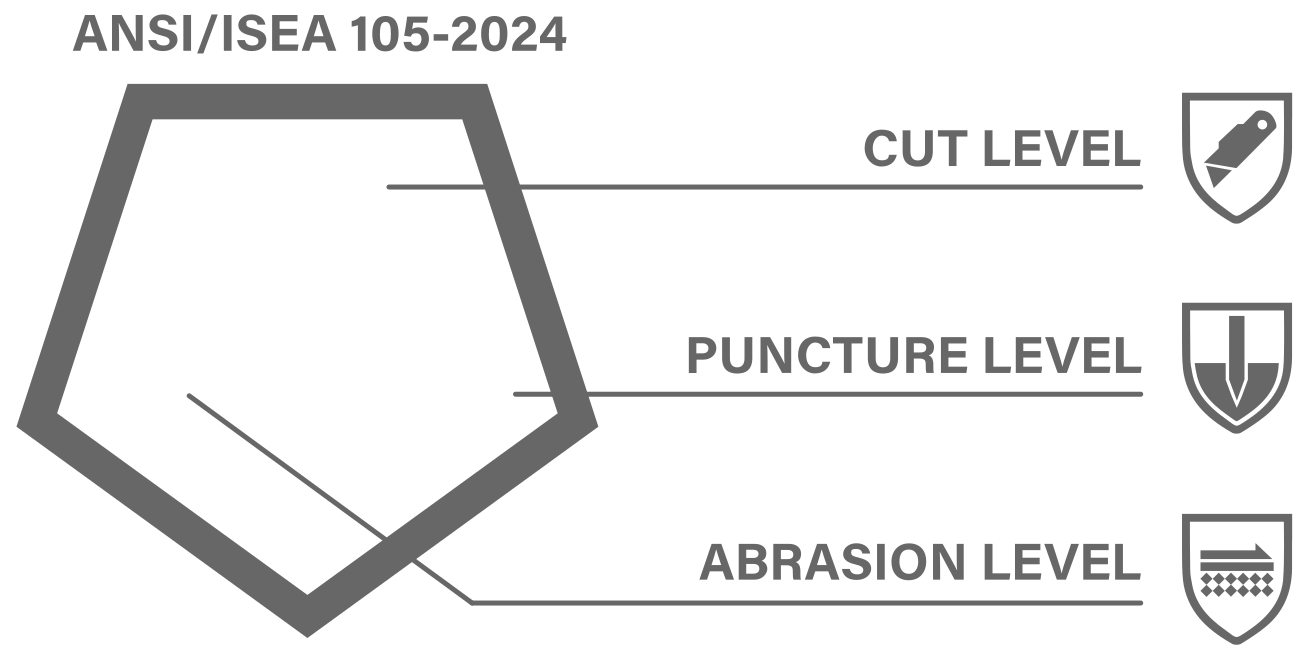
ANSI/ISEA has released a new edition of the ANSI/ISEA 105 standard (2024 ed). The changes include a new standardized glove label for easier identification of key protection levels for both distributors and end-users. The new pentagon marking was created to simplify and standardize the identification of protective glove performance levels, including abrasion, cut, and puncture resistance. By consolidating this information into a single, easily recognizable label, it improves usability for workers and reduces the risk of selecting inadequate protection. Learn more.
New edition ANSI/ISEA 105-2024 outlines a new test method for determining cut scores and a revised scale from A1-A9. Click here for more information about the new testing standard.
The ANSI/ISEA 105-2024 standard outlines test methods for abrasion and is scored from 0-6. The ASTM D3389-10 is used for uncoated gloves and the end point (failure) is the number of abrasion cycles when the first thread or yarn is broken. The larger numbers of cycles indicates greater abrasion resistance of the product and a higher Abrasion Level.
The ANSI/ISEA 105-2024 blunt force puncture testing uses a probe to simulate a tear or burst hazard. The test measures the amount of force needed for a blunt probe to pierce through PPE material. Results are given in Newtons, which is converted into a 1-5 scale and spans from 10 newtons (Level 1) to 150+ newtons (Level 5) of puncture resistance.
EN 388 is a European Standard. Cut Level is determined by the number of cycles it takes a spinning circular blade, that is pulled across the material under a constant weight of 500 grams, to cut the fabric. As the number of cycles increase, so does the glove's ratings. Click here for more information about the EN 388 2016 standard.
To see what chemicals included in the manufacturing of this product triggered the Prop 65 Warning please go to the Prop 65 Portal.

BEST SELLER
34-8743
Cut Level: A2
Test Method: ASTM F2992-15
Puncture Level: 2
Test Method: ASTM F1342
Abrasion Level: 3
Test Method: ASTM D3389-10
ANSI/ISEA has released a new edition of the ANSI/ISEA 105 standard (2024 ed). The changes include a new standardized glove label for easier identification of key protection levels for both distributors and end-users. The new pentagon marking was created to simplify and standardize the identification of protective glove performance levels, including abrasion, cut, and puncture resistance. By consolidating this information into a single, easily recognizable label, it improves usability for workers and reduces the risk of selecting inadequate protection. Learn more.
New edition ANSI/ISEA 105-2024 outlines a new test method for determining cut scores and a revised scale from A1-A9. Click here for more information about the new testing standard.
The ANSI/ISEA 105-2024 standard outlines test methods for abrasion and is scored from 0-6. The ASTM D3389-10 is used for uncoated gloves and the end point (failure) is the number of abrasion cycles when the first thread or yarn is broken. The larger numbers of cycles indicates greater abrasion resistance of the product and a higher Abrasion Level.
The ANSI/ISEA 105-2024 blunt force puncture testing uses a probe to simulate a tear or burst hazard. The test measures the amount of force needed for a blunt probe to pierce through PPE material. Results are given in Newtons, which is converted into a 1-5 scale and spans from 10 newtons (Level 1) to 150+ newtons (Level 5) of puncture resistance.
EN 388 is a European Standard. Cut Level is determined by the number of cycles it takes a spinning circular blade, that is pulled across the material under a constant weight of 500 grams, to cut the fabric. As the number of cycles increase, so does the glove's ratings. Click here for more information about the EN 388 2016 standard.

BEST SELLER
44-3745
Cut Level: A3
Test Method: ASTM F2992-15
Puncture Level: 3
Test Method: ASTM F1342
Abrasion Level: 3
Test Method: ASTM D3389-10
ANSI/ISEA has released a new edition of the ANSI/ISEA 105 standard (2024 ed). The changes include a new standardized glove label for easier identification of key protection levels for both distributors and end-users. The new pentagon marking was created to simplify and standardize the identification of protective glove performance levels, including abrasion, cut, and puncture resistance. By consolidating this information into a single, easily recognizable label, it improves usability for workers and reduces the risk of selecting inadequate protection. Learn more.
New edition ANSI/ISEA 105-2024 outlines a new test method for determining cut scores and a revised scale from A1-A9. Click here for more information about the new testing standard.
The ANSI/ISEA 105-2024 standard outlines test methods for abrasion and is scored from 0-6. The ASTM D3389-10 is used for uncoated gloves and the end point (failure) is the number of abrasion cycles when the first thread or yarn is broken. The larger numbers of cycles indicates greater abrasion resistance of the product and a higher Abrasion Level.
The ANSI/ISEA 105-2024 blunt force puncture testing uses a probe to simulate a tear or burst hazard. The test measures the amount of force needed for a blunt probe to pierce through PPE material. Results are given in Newtons, which is converted into a 1-5 scale and spans from 10 newtons (Level 1) to 150+ newtons (Level 5) of puncture resistance.
EN 388 is a European Standard. Cut Level is determined by the number of cycles it takes a spinning circular blade, that is pulled across the material under a constant weight of 500 grams, to cut the fabric. As the number of cycles increase, so does the glove's ratings. Click here for more information about the EN 388 2016 standard.

BEST SELLER
33-B125
Puncture Level: 2
Test Method: ASTM F1342
Abrasion Level: 3
Test Method: ASTM D3389-10
ANSI/ISEA has released a new edition of the ANSI/ISEA 105 standard (2024 ed). The changes include a new standardized glove label for easier identification of key protection levels for both distributors and end-users. The new pentagon marking was created to simplify and standardize the identification of protective glove performance levels, including abrasion, cut, and puncture resistance. By consolidating this information into a single, easily recognizable label, it improves usability for workers and reduces the risk of selecting inadequate protection. Learn more.
The ANSI/ISEA 105-2024 standard outlines test methods for abrasion and is scored from 0-6. The ASTM D3389-10 is used for uncoated gloves and the end point (failure) is the number of abrasion cycles when the first thread or yarn is broken. The larger numbers of cycles indicates greater abrasion resistance of the product and a higher Abrasion Level.
The ANSI/ISEA 105-2024 blunt force puncture testing uses a probe to simulate a tear or burst hazard. The test measures the amount of force needed for a blunt probe to pierce through PPE material. Results are given in Newtons, which is converted into a 1-5 scale and spans from 10 newtons (Level 1) to 150+ newtons (Level 5) of puncture resistance.
EN 388 is a European Standard. Cut Level is determined by the number of cycles it takes a spinning circular blade, that is pulled across the material under a constant weight of 500 grams, to cut the fabric. As the number of cycles increase, so does the glove's ratings. Click here for more information about the EN 388 2016 standard.
To see what chemicals included in the manufacturing of this product triggered the Prop 65 Warning please go to the Prop 65 Portal.

34-1743
Cut Level: A4
Test Method: ASTM F2992-15
Puncture Level: 2
Test Method: ASTM F1342
Abrasion Level: 3
Test Method: ASTM D3389-10
ANSI/ISEA has released a new edition of the ANSI/ISEA 105 standard (2024 ed). The changes include a new standardized glove label for easier identification of key protection levels for both distributors and end-users. The new pentagon marking was created to simplify and standardize the identification of protective glove performance levels, including abrasion, cut, and puncture resistance. By consolidating this information into a single, easily recognizable label, it improves usability for workers and reduces the risk of selecting inadequate protection. Learn more.
New edition ANSI/ISEA 105-2024 outlines a new test method for determining cut scores and a revised scale from A1-A9. Click here for more information about the new testing standard.
The ANSI/ISEA 105-2024 standard outlines test methods for abrasion and is scored from 0-6. The ASTM D3389-10 is used for uncoated gloves and the end point (failure) is the number of abrasion cycles when the first thread or yarn is broken. The larger numbers of cycles indicates greater abrasion resistance of the product and a higher Abrasion Level.
The ANSI/ISEA 105-2024 blunt force puncture testing uses a probe to simulate a tear or burst hazard. The test measures the amount of force needed for a blunt probe to pierce through PPE material. Results are given in Newtons, which is converted into a 1-5 scale and spans from 10 newtons (Level 1) to 150+ newtons (Level 5) of puncture resistance.
EN 388 is a European Standard. Cut Level is determined by the number of cycles it takes a spinning circular blade, that is pulled across the material under a constant weight of 500 grams, to cut the fabric. As the number of cycles increase, so does the glove's ratings. Click here for more information about the EN 388 2016 standard.
EN 407 is a general European standard designed to be used for any glove that is to be sold as providing protection against thermal hazards. All six tests are graded on a scale from 0 to 4, with 0 signifying that the glove failed the test, and 4 demonstrating it has achieved the maximum resistance in that specific area.

BEST SELLER
16-560
Cut Level: A4
Test Method: ASTM F2992-15
Puncture Level: 4
Test Method: ASTM F1342
Abrasion Level: 6
Test Method: ASTM D3389-10
ANSI/ISEA has released a new edition of the ANSI/ISEA 105 standard (2024 ed). The changes include a new standardized glove label for easier identification of key protection levels for both distributors and end-users. The new pentagon marking was created to simplify and standardize the identification of protective glove performance levels, including abrasion, cut, and puncture resistance. By consolidating this information into a single, easily recognizable label, it improves usability for workers and reduces the risk of selecting inadequate protection. Learn more.
New edition ANSI/ISEA 105-2024 outlines a new test method for determining cut scores and a revised scale from A1-A9. Click here for more information about the new testing standard.
The ANSI/ISEA 105-2024 standard outlines test methods for abrasion and is scored from 0-6. The ASTM D3389-10 is used for uncoated gloves and the end point (failure) is the number of abrasion cycles when the first thread or yarn is broken. The larger numbers of cycles indicates greater abrasion resistance of the product and a higher Abrasion Level.
The ANSI/ISEA 105-2024 blunt force puncture testing uses a probe to simulate a tear or burst hazard. The test measures the amount of force needed for a blunt probe to pierce through PPE material. Results are given in Newtons, which is converted into a 1-5 scale and spans from 10 newtons (Level 1) to 150+ newtons (Level 5) of puncture resistance.
EN 388 is a European Standard. Cut Level is determined by the number of cycles it takes a spinning circular blade, that is pulled across the material under a constant weight of 500 grams, to cut the fabric. As the number of cycles increase, so does the glove's ratings. Click here for more information about the EN 388 2016 standard.
To see what chemicals included in the manufacturing of this product triggered the Prop 65 Warning please go to the Prop 65 Portal.

41-8035
Cut Level: A5
Test Method: ASTM F2992-15
ANSI/ISEA has released a new edition of the ANSI/ISEA 105 standard (2024 ed). The changes include a new standardized glove label for easier identification of key protection levels for both distributors and end-users. The new pentagon marking was created to simplify and standardize the identification of protective glove performance levels, including abrasion, cut, and puncture resistance. By consolidating this information into a single, easily recognizable label, it improves usability for workers and reduces the risk of selecting inadequate protection. Learn more.
New edition ANSI/ISEA 105-2024 outlines a new test method for determining cut scores and a revised scale from A1-A9. Click here for more information about the new testing standard.
EN 388 is a European Standard. Cut Level is determined by the number of cycles it takes a spinning circular blade, that is pulled across the material under a constant weight of 500 grams, to cut the fabric. As the number of cycles increase, so does the glove's ratings. Click here for more information about the EN 388 2016 standard.
The EN 511 standard specifies the requirements and performance levels of work gloves against cold as low as -50°C. Protective devices against: convective cold, contact cold and water penetration. Convective and contact tests are graded on a scale from 0 to 4, with 0 signifying that the glove failed the test, and 4 demonstrating it has achieved the maximum resistance in that specific area. Water permeation is grade on a scale of 0 to 1 where 0 indicates “water penetration after 30 minutes” and 1 indicates “no water penetration after 30 minutes”.

BEST SELLER
16-541
Cut Level: A4
Test Method: ASTM F2992-15
Puncture Level: 2
Test Method: ASTM F1342
Abrasion Level: 3
Test Method: ASTM D3389-10
ANSI/ISEA has released a new edition of the ANSI/ISEA 105 standard (2024 ed). The changes include a new standardized glove label for easier identification of key protection levels for both distributors and end-users. The new pentagon marking was created to simplify and standardize the identification of protective glove performance levels, including abrasion, cut, and puncture resistance. By consolidating this information into a single, easily recognizable label, it improves usability for workers and reduces the risk of selecting inadequate protection. Learn more.
New edition ANSI/ISEA 105-2024 outlines a new test method for determining cut scores and a revised scale from A1-A9. Click here for more information about the new testing standard.
The ANSI/ISEA 105-2024 standard outlines test methods for abrasion and is scored from 0-6. The ASTM D3389-10 is used for uncoated gloves and the end point (failure) is the number of abrasion cycles when the first thread or yarn is broken. The larger numbers of cycles indicates greater abrasion resistance of the product and a higher Abrasion Level.
The ANSI/ISEA 105-2024 blunt force puncture testing uses a probe to simulate a tear or burst hazard. The test measures the amount of force needed for a blunt probe to pierce through PPE material. Results are given in Newtons, which is converted into a 1-5 scale and spans from 10 newtons (Level 1) to 150+ newtons (Level 5) of puncture resistance.
EN 388 is a European Standard. Cut Level is determined by the number of cycles it takes a spinning circular blade, that is pulled across the material under a constant weight of 500 grams, to cut the fabric. As the number of cycles increase, so does the glove's ratings. Click here for more information about the EN 388 2016 standard.
To see what chemicals included in the manufacturing of this product triggered the Prop 65 Warning please go to the Prop 65 Portal.

BEST SELLER
67-246
To attain the EN 374 pictogram shield gloves must pass at least a Level 2 in three chemicals. The chemicals listed above are the chemicals that passed for this glove.
The EN ISO 374-5 VIRUS standard measures the ability of gloves to protect users against bacteria, fungi and viruses. Gloves with this marking must pass EN374-2 for leak testing.
In accordance with ASTM D6978-05, Personal Protective Equipment can be tested to ensure an effective barrier against Fentanyl. The ASTM D6978-05 Standard Practice for Assessment of Medical Gloves to Permeation by Chemotherapy Drug tests a breakthrough time of typically 240 minutes to determine if the PPE provides an effective barrier.
ESD is an acronym for electrostatic discharge. This discharge is the rapid transfer of static between two different objects. Although ESD doesn’t typically cause harm to the human body - you might only experience it as a small, surprising shock - it can cause extensive damage to electrical equipment and sensitive instruments. This damage may either be permanent, causing the device to malfunction (known as a catastrophic failure), or it may occur on a smaller scale that would be difficult to detect before the device is sent out for service (known as latent defect).

BEST SELLER
34-844
Cut Level: A1
Test Method: ASTM F2992-15
Puncture Level: 2
Test Method: ASTM F1342
Abrasion Level: 4
Test Method: ASTM D3389-10
ANSI/ISEA has released a new edition of the ANSI/ISEA 105 standard (2024 ed). The changes include a new standardized glove label for easier identification of key protection levels for both distributors and end-users. The new pentagon marking was created to simplify and standardize the identification of protective glove performance levels, including abrasion, cut, and puncture resistance. By consolidating this information into a single, easily recognizable label, it improves usability for workers and reduces the risk of selecting inadequate protection. Learn more.
New edition ANSI/ISEA 105-2024 outlines a new test method for determining cut scores and a revised scale from A1-A9. Click here for more information about the new testing standard.
The ANSI/ISEA 105-2024 standard outlines test methods for abrasion and is scored from 0-6. The ASTM D3389-10 is used for uncoated gloves and the end point (failure) is the number of abrasion cycles when the first thread or yarn is broken. The larger numbers of cycles indicates greater abrasion resistance of the product and a higher Abrasion Level.
The ANSI/ISEA 105-2024 blunt force puncture testing uses a probe to simulate a tear or burst hazard. The test measures the amount of force needed for a blunt probe to pierce through PPE material. Results are given in Newtons, which is converted into a 1-5 scale and spans from 10 newtons (Level 1) to 150+ newtons (Level 5) of puncture resistance.
EN 388 is a European Standard. Cut Level is determined by the number of cycles it takes a spinning circular blade, that is pulled across the material under a constant weight of 500 grams, to cut the fabric. As the number of cycles increase, so does the glove's ratings. Click here for more information about the EN 388 2016 standard.

09-K1600
Cut Level: A7
Test Method: ASTM F2992-15
Puncture Level: 2
Test Method: ASTM F1342
Abrasion Level: 4
Test Method: ASTM D3389-10
ANSI/ISEA has released a new edition of the ANSI/ISEA 105 standard (2024 ed). The changes include a new standardized glove label for easier identification of key protection levels for both distributors and end-users. The new pentagon marking was created to simplify and standardize the identification of protective glove performance levels, including abrasion, cut, and puncture resistance. By consolidating this information into a single, easily recognizable label, it improves usability for workers and reduces the risk of selecting inadequate protection. Learn more.
New edition ANSI/ISEA 105-2024 outlines a new test method for determining cut scores and a revised scale from A1-A9. Click here for more information about the new testing standard.
The ANSI/ISEA 105-2024 standard outlines test methods for abrasion and is scored from 0-6. The ASTM D3389-10 is used for uncoated gloves and the end point (failure) is the number of abrasion cycles when the first thread or yarn is broken. The larger numbers of cycles indicates greater abrasion resistance of the product and a higher Abrasion Level.
The ANSI/ISEA 105-2024 blunt force puncture testing uses a probe to simulate a tear or burst hazard. The test measures the amount of force needed for a blunt probe to pierce through PPE material. Results are given in Newtons, which is converted into a 1-5 scale and spans from 10 newtons (Level 1) to 150+ newtons (Level 5) of puncture resistance.
The ANSI/ISEA 105-2016 standard outlines test methods for contact heat and scored from 0-5. The ASTM F1060-18 test is used to test conductive heat resistance against gloves and PPE. Measuring the highest contact temperature for which the time to second-degree burn is at least 15 seconds and the alarm time is at least four seconds. Learn More
EN 388 is a European Standard. Cut Level is determined by the number of cycles it takes a spinning circular blade, that is pulled across the material under a constant weight of 500 grams, to cut the fabric. As the number of cycles increase, so does the glove's ratings. Click here for more information about the EN 388 2016 standard.

BEST SELLER
16-348
Cut Level: A4
Test Method: ASTM F2992-15
Puncture Level: 3
Test Method: ASTM F1342
Abrasion Level: 5
Test Method: ASTM D3389-10
ANSI/ISEA has released a new edition of the ANSI/ISEA 105 standard (2024 ed). The changes include a new standardized glove label for easier identification of key protection levels for both distributors and end-users. The new pentagon marking was created to simplify and standardize the identification of protective glove performance levels, including abrasion, cut, and puncture resistance. By consolidating this information into a single, easily recognizable label, it improves usability for workers and reduces the risk of selecting inadequate protection. Learn more.
New edition ANSI/ISEA 105-2024 outlines a new test method for determining cut scores and a revised scale from A1-A9. Click here for more information about the new testing standard.
The ANSI/ISEA 105-2024 standard outlines test methods for abrasion and is scored from 0-6. The ASTM D3389-10 is used for uncoated gloves and the end point (failure) is the number of abrasion cycles when the first thread or yarn is broken. The larger numbers of cycles indicates greater abrasion resistance of the product and a higher Abrasion Level.
The ANSI/ISEA 105-2024 blunt force puncture testing uses a probe to simulate a tear or burst hazard. The test measures the amount of force needed for a blunt probe to pierce through PPE material. Results are given in Newtons, which is converted into a 1-5 scale and spans from 10 newtons (Level 1) to 150+ newtons (Level 5) of puncture resistance.
EN 388 is a European Standard. Cut Level is determined by the number of cycles it takes a spinning circular blade, that is pulled across the material under a constant weight of 500 grams, to cut the fabric. As the number of cycles increase, so does the glove's ratings. Click here for more information about the EN 388 2016 standard.

BEST SELLER
67-256
To attain the EN 374 pictogram shield gloves must pass at least a Level 2 in three chemicals. The chemicals listed above are the chemicals that passed for this glove.
The EN ISO 374-5 VIRUS standard measures the ability of gloves to protect users against bacteria, fungi and viruses. Gloves with this marking must pass EN374-2 for leak testing.
In accordance with ASTM D6978-05, Personal Protective Equipment can be tested to ensure an effective barrier against Fentanyl. The ASTM D6978-05 Standard Practice for Assessment of Medical Gloves to Permeation by Chemotherapy Drug tests a breakthrough time of typically 240 minutes to determine if the PPE provides an effective barrier.
ESD is an acronym for electrostatic discharge. This discharge is the rapid transfer of static between two different objects. Although ESD doesn’t typically cause harm to the human body - you might only experience it as a small, surprising shock - it can cause extensive damage to electrical equipment and sensitive instruments. This damage may either be permanent, causing the device to malfunction (known as a catastrophic failure), or it may occur on a smaller scale that would be difficult to detect before the device is sent out for service (known as latent defect).

BEST SELLER
16-351
Cut Level: A5
Test Method: ASTM F2992-15
Puncture Level: 3
Test Method: ASTM F1342
Abrasion Level: 4
Test Method: ASTM D3389-10
ANSI/ISEA has released a new edition of the ANSI/ISEA 105 standard (2024 ed). The changes include a new standardized glove label for easier identification of key protection levels for both distributors and end-users. The new pentagon marking was created to simplify and standardize the identification of protective glove performance levels, including abrasion, cut, and puncture resistance. By consolidating this information into a single, easily recognizable label, it improves usability for workers and reduces the risk of selecting inadequate protection. Learn more.
New edition ANSI/ISEA 105-2024 outlines a new test method for determining cut scores and a revised scale from A1-A9. Click here for more information about the new testing standard.
The ANSI/ISEA 105-2024 standard outlines test methods for abrasion and is scored from 0-6. The ASTM D3389-10 is used for uncoated gloves and the end point (failure) is the number of abrasion cycles when the first thread or yarn is broken. The larger numbers of cycles indicates greater abrasion resistance of the product and a higher Abrasion Level.
The ANSI/ISEA 105-2024 blunt force puncture testing uses a probe to simulate a tear or burst hazard. The test measures the amount of force needed for a blunt probe to pierce through PPE material. Results are given in Newtons, which is converted into a 1-5 scale and spans from 10 newtons (Level 1) to 150+ newtons (Level 5) of puncture resistance.
EN 388 is a European Standard. Cut Level is determined by the number of cycles it takes a spinning circular blade, that is pulled across the material under a constant weight of 500 grams, to cut the fabric. As the number of cycles increase, so does the glove's ratings. Click here for more information about the EN 388 2016 standard.

BEST SELLER
56-426
Puncture Level: 2
Test Method: ASTM F1342
Abrasion Level: 3
Test Method: ASTM D3389-10
ANSI/ISEA has released a new edition of the ANSI/ISEA 105 standard (2024 ed). The changes include a new standardized glove label for easier identification of key protection levels for both distributors and end-users. The new pentagon marking was created to simplify and standardize the identification of protective glove performance levels, including abrasion, cut, and puncture resistance. By consolidating this information into a single, easily recognizable label, it improves usability for workers and reduces the risk of selecting inadequate protection. Learn more.
The ANSI/ISEA 105-2024 standard outlines test methods for abrasion and is scored from 0-6. The ASTM D3389-10 is used for uncoated gloves and the end point (failure) is the number of abrasion cycles when the first thread or yarn is broken. The larger numbers of cycles indicates greater abrasion resistance of the product and a higher Abrasion Level.
The ANSI/ISEA 105-2024 blunt force puncture testing uses a probe to simulate a tear or burst hazard. The test measures the amount of force needed for a blunt probe to pierce through PPE material. Results are given in Newtons, which is converted into a 1-5 scale and spans from 10 newtons (Level 1) to 150+ newtons (Level 5) of puncture resistance.
EN 388 is a European Standard. Cut Level is determined by the number of cycles it takes a spinning circular blade, that is pulled across the material under a constant weight of 500 grams, to cut the fabric. As the number of cycles increase, so does the glove's ratings. Click here for more information about the EN 388 2016 standard.

16-MPT630
Cut Level: A6
Test Method: ASTM F2992-15
Puncture Level: 3
Test Method: ASTM F1342
Abrasion Level: 4
Test Method: ASTM D3389-10
ANSI/ISEA has released a new edition of the ANSI/ISEA 105 standard (2024 ed). The changes include a new standardized glove label for easier identification of key protection levels for both distributors and end-users. The new pentagon marking was created to simplify and standardize the identification of protective glove performance levels, including abrasion, cut, and puncture resistance. By consolidating this information into a single, easily recognizable label, it improves usability for workers and reduces the risk of selecting inadequate protection. Learn more.
New edition ANSI/ISEA 105-2024 outlines a new test method for determining cut scores and a revised scale from A1-A9. Click here for more information about the new testing standard.
The ANSI/ISEA 105-2024 standard outlines test methods for abrasion and is scored from 0-6. The ASTM D3389-10 is used for uncoated gloves and the end point (failure) is the number of abrasion cycles when the first thread or yarn is broken. The larger numbers of cycles indicates greater abrasion resistance of the product and a higher Abrasion Level.
The ANSI/ISEA 105-2024 blunt force puncture testing uses a probe to simulate a tear or burst hazard. The test measures the amount of force needed for a blunt probe to pierce through PPE material. Results are given in Newtons, which is converted into a 1-5 scale and spans from 10 newtons (Level 1) to 150+ newtons (Level 5) of puncture resistance.
ANSI/ISEA 138 is a new, voluntary standard for the North American market designed to accurately classify different levels of impact protection offered by the impact-resistant gloves on the market. Click here for more information on our G-Tek Impact Series.
EN 388 is a European Standard. Cut Level is determined by the number of cycles it takes a spinning circular blade, that is pulled across the material under a constant weight of 500 grams, to cut the fabric. As the number of cycles increase, so does the glove's ratings. Click here for more information about the EN 388 2016 standard.

BEST SELLER
67-307
To attain the EN 374 pictogram shield gloves must pass at least a Level 2 in three chemicals. The chemicals listed above are the chemicals that passed for this glove.
ESD is an acronym for electrostatic discharge. This discharge is the rapid transfer of static between two different objects. Although ESD doesn’t typically cause harm to the human body - you might only experience it as a small, surprising shock - it can cause extensive damage to electrical equipment and sensitive instruments. This damage may either be permanent, causing the device to malfunction (known as a catastrophic failure), or it may occur on a smaller scale that would be difficult to detect before the device is sent out for service (known as latent defect).

399-HEATPACK

BEST SELLER
41-1417
Cut Level: A4
Test Method: ASTM F2992-15
ANSI/ISEA has released a new edition of the ANSI/ISEA 105 standard (2024 ed). The changes include a new standardized glove label for easier identification of key protection levels for both distributors and end-users. The new pentagon marking was created to simplify and standardize the identification of protective glove performance levels, including abrasion, cut, and puncture resistance. By consolidating this information into a single, easily recognizable label, it improves usability for workers and reduces the risk of selecting inadequate protection. Learn more.
New edition ANSI/ISEA 105-2024 outlines a new test method for determining cut scores and a revised scale from A1-A9. Click here for more information about the new testing standard.
EN 388 is a European Standard. Cut Level is determined by the number of cycles it takes a spinning circular blade, that is pulled across the material under a constant weight of 500 grams, to cut the fabric. As the number of cycles increase, so does the glove's ratings. Click here for more information about the EN 388 2016 standard.
EN 407 is a general European standard designed to be used for any glove that is to be sold as providing protection against thermal hazards. All six tests are graded on a scale from 0 to 4, with 0 signifying that the glove failed the test, and 4 demonstrating it has achieved the maximum resistance in that specific area.
The EN 511 standard specifies the requirements and performance levels of work gloves against cold as low as -50°C. Protective devices against: convective cold, contact cold and water penetration. Convective and contact tests are graded on a scale from 0 to 4, with 0 signifying that the glove failed the test, and 4 demonstrating it has achieved the maximum resistance in that specific area. Water permeation is grade on a scale of 0 to 1 where 0 indicates “water penetration after 30 minutes” and 1 indicates “no water penetration after 30 minutes”.

555
Cut Level: A5
Test Method: ASTM F2992-15
Puncture Level: 3
Test Method: ASTM F1342
Abrasion Level: 6
Test Method: ASTM D3389-10
ANSI/ISEA has released a new edition of the ANSI/ISEA 105 standard (2024 ed). The changes include a new standardized glove label for easier identification of key protection levels for both distributors and end-users. The new pentagon marking was created to simplify and standardize the identification of protective glove performance levels, including abrasion, cut, and puncture resistance. By consolidating this information into a single, easily recognizable label, it improves usability for workers and reduces the risk of selecting inadequate protection. Learn more.
New edition ANSI/ISEA 105-2024 outlines a new test method for determining cut scores and a revised scale from A1-A9. Click here for more information about the new testing standard.
The ANSI/ISEA 105-2024 standard outlines test methods for abrasion and is scored from 0-6. The ASTM D3389-10 is used for uncoated gloves and the end point (failure) is the number of abrasion cycles when the first thread or yarn is broken. The larger numbers of cycles indicates greater abrasion resistance of the product and a higher Abrasion Level.
The ANSI/ISEA 105-2024 blunt force puncture testing uses a probe to simulate a tear or burst hazard. The test measures the amount of force needed for a blunt probe to pierce through PPE material. Results are given in Newtons, which is converted into a 1-5 scale and spans from 10 newtons (Level 1) to 150+ newtons (Level 5) of puncture resistance.
EN 388 is a European Standard. Cut Level is determined by the number of cycles it takes a spinning circular blade, that is pulled across the material under a constant weight of 500 grams, to cut the fabric. As the number of cycles increase, so does the glove's ratings. Click here for more information about the EN 388 2016 standard.
ESD is an acronym for electrostatic discharge. This discharge is the rapid transfer of static between two different objects. Although ESD doesn’t typically cause harm to the human body - you might only experience it as a small, surprising shock - it can cause extensive damage to electrical equipment and sensitive instruments. This damage may either be permanent, causing the device to malfunction (known as a catastrophic failure), or it may occur on a smaller scale that would be difficult to detect before the device is sent out for service (known as latent defect).

56-586CR
Cut Level: A4
Test Method: ASTM F2992-15
Puncture Level: 3
Test Method: ASTM F1342
Abrasion Level: 6
Test Method: ASTM D3884-09
ANSI/ISEA has released a new edition of the ANSI/ISEA 105 standard (2024 ed). The changes include a new standardized glove label for easier identification of key protection levels for both distributors and end-users. The new pentagon marking was created to simplify and standardize the identification of protective glove performance levels, including abrasion, cut, and puncture resistance. By consolidating this information into a single, easily recognizable label, it improves usability for workers and reduces the risk of selecting inadequate protection. Learn more.
New edition ANSI/ISEA 105-2024 outlines a new test method for determining cut scores and a revised scale from A1-A9. Click here for more information about the new testing standard.
The ANSI/ISEA 105-2024 standard outlines test methods for abrasion and is scored from 0-6. The ASTM D3884-09 is used for uncoated gloves and the end point (failure) is the number of abrasion cycles when the first thread or yarn is broken. The larger numbers of cycles indicates greater abrasion resistance of the product and a higher Abrasion Level.
The ANSI/ISEA 105-2024 blunt force puncture testing uses a probe to simulate a tear or burst hazard. The test measures the amount of force needed for a blunt probe to pierce through PPE material. Results are given in Newtons, which is converted into a 1-5 scale and spans from 10 newtons (Level 1) to 150+ newtons (Level 5) of puncture resistance.
EN 388 is a European Standard. Cut Level is determined by the number of cycles it takes a spinning circular blade, that is pulled across the material under a constant weight of 500 grams, to cut the fabric. As the number of cycles increase, so does the glove's ratings. Click here for more information about the EN 388 2016 standard.
To attain the EN 374 pictogram shield gloves must pass at least a Level 2 in three chemicals. The chemicals listed above are the chemicals that passed for this glove.
The EN ISO 374-5 standard measures the ability of gloves to protect users against bacteria and fungi. Gloves with this marking must pass EN374-2 for leak testing.

BEST SELLER
2550

BEST SELLER
34-8443
Cut Level: A2
Test Method: ASTM F2992-15
Puncture Level: 2
Test Method: ASTM F1342
Abrasion Level: 4
Test Method: ASTM D3389-10
ANSI/ISEA has released a new edition of the ANSI/ISEA 105 standard (2024 ed). The changes include a new standardized glove label for easier identification of key protection levels for both distributors and end-users. The new pentagon marking was created to simplify and standardize the identification of protective glove performance levels, including abrasion, cut, and puncture resistance. By consolidating this information into a single, easily recognizable label, it improves usability for workers and reduces the risk of selecting inadequate protection. Learn more.
New edition ANSI/ISEA 105-2024 outlines a new test method for determining cut scores and a revised scale from A1-A9. Click here for more information about the new testing standard.
The ANSI/ISEA 105-2024 standard outlines test methods for abrasion and is scored from 0-6. The ASTM D3389-10 is used for uncoated gloves and the end point (failure) is the number of abrasion cycles when the first thread or yarn is broken. The larger numbers of cycles indicates greater abrasion resistance of the product and a higher Abrasion Level.
The ANSI/ISEA 105-2024 blunt force puncture testing uses a probe to simulate a tear or burst hazard. The test measures the amount of force needed for a blunt probe to pierce through PPE material. Results are given in Newtons, which is converted into a 1-5 scale and spans from 10 newtons (Level 1) to 150+ newtons (Level 5) of puncture resistance.
EN 388 is a European Standard. Cut Level is determined by the number of cycles it takes a spinning circular blade, that is pulled across the material under a constant weight of 500 grams, to cut the fabric. As the number of cycles increase, so does the glove's ratings. Click here for more information about the EN 388 2016 standard.

BEST SELLER
52-6745FI
Cut Level: A6
Test Method: ASTM F2992-15
Puncture Level: 4
Test Method: ASTM F1342
Abrasion Level: 4
Test Method: ASTM D3389-10
ANSI/ISEA has released a new edition of the ANSI/ISEA 105 standard (2024 ed). The changes include a new standardized glove label for easier identification of key protection levels for both distributors and end-users. The new pentagon marking was created to simplify and standardize the identification of protective glove performance levels, including abrasion, cut, and puncture resistance. By consolidating this information into a single, easily recognizable label, it improves usability for workers and reduces the risk of selecting inadequate protection. Learn more.
New edition ANSI/ISEA 105-2024 outlines a new test method for determining cut scores and a revised scale from A1-A9. Click here for more information about the new testing standard.
The ANSI/ISEA 105-2024 standard outlines test methods for abrasion and is scored from 0-6. The ASTM D3389-10 is used for uncoated gloves and the end point (failure) is the number of abrasion cycles when the first thread or yarn is broken. The larger numbers of cycles indicates greater abrasion resistance of the product and a higher Abrasion Level.
The ANSI/ISEA 105-2024 blunt force puncture testing uses a probe to simulate a tear or burst hazard. The test measures the amount of force needed for a blunt probe to pierce through PPE material. Results are given in Newtons, which is converted into a 1-5 scale and spans from 10 newtons (Level 1) to 150+ newtons (Level 5) of puncture resistance.
ANSI/ISEA 138 is a new, voluntary standard for the North American market designed to accurately classify different levels of impact protection offered by the impact-resistant gloves on the market. Click here for more information on our G-Tek Impact Series.
EN 388 is a European Standard. Cut Level is determined by the number of cycles it takes a spinning circular blade, that is pulled across the material under a constant weight of 500 grams, to cut the fabric. As the number of cycles increase, so does the glove's ratings. Click here for more information about the EN 388 2016 standard.

BEST SELLER
9916
Cut Level: A7
Test Method: ASTM F2992-15
Puncture Level: 4
Test Method: ASTM F1342
ANSI/ISEA has released a new edition of the ANSI/ISEA 105 standard (2024 ed). The changes include a new standardized glove label for easier identification of key protection levels for both distributors and end-users. The new pentagon marking was created to simplify and standardize the identification of protective glove performance levels, including abrasion, cut, and puncture resistance. By consolidating this information into a single, easily recognizable label, it improves usability for workers and reduces the risk of selecting inadequate protection. Learn more.
New edition ANSI/ISEA 105-2024 outlines a new test method for determining cut scores and a revised scale from A1-A9. Click here for more information about the new testing standard.
The ANSI/ISEA 105-2024 blunt force puncture testing uses a probe to simulate a tear or burst hazard. The test measures the amount of force needed for a blunt probe to pierce through PPE material. Results are given in Newtons, which is converted into a 1-5 scale and spans from 10 newtons (Level 1) to 150+ newtons (Level 5) of puncture resistance.
ANSI/ISEA 138 is a new, voluntary standard for the North American market designed to accurately classify different levels of impact protection offered by the impact-resistant gloves on the market. Click here for more information on our G-Tek Impact Series.
The ANSI/ISEA 105-2016 standard outlines test methods for contact heat and scored from 0-5. The ASTM F1060-18 test is used to test conductive heat resistance against gloves and PPE. Measuring the highest contact temperature for which the time to second-degree burn is at least 15 seconds and the alarm time is at least four seconds. Learn More
EN 388 is a European Standard. Cut Level is determined by the number of cycles it takes a spinning circular blade, that is pulled across the material under a constant weight of 500 grams, to cut the fabric. As the number of cycles increase, so does the glove's ratings. Click here for more information about the EN 388 2016 standard.

BEST SELLER
67-308
To attain the EN 374 pictogram shield gloves must pass at least a Level 2 in three chemicals. The chemicals listed above are the chemicals that passed for this glove.
In accordance with ASTM D6978-05, Personal Protective Equipment can be tested to ensure an effective barrier against Fentanyl. The ASTM D6978-05 Standard Practice for Assessment of Medical Gloves to Permeation by Chemotherapy Drug tests a breakthrough time of typically 240 minutes to determine if the PPE provides an effective barrier.
ESD is an acronym for electrostatic discharge. This discharge is the rapid transfer of static between two different objects. Although ESD doesn’t typically cause harm to the human body - you might only experience it as a small, surprising shock - it can cause extensive damage to electrical equipment and sensitive instruments. This damage may either be permanent, causing the device to malfunction (known as a catastrophic failure), or it may occur on a smaller scale that would be difficult to detect before the device is sent out for service (known as latent defect).

BEST SELLER
16-361
Cut Level: A6
Test Method: ASTM F2992-15
Puncture Level: 2
Test Method: ASTM F1342
Abrasion Level: 4
Test Method: ASTM D3389-10
ANSI/ISEA has released a new edition of the ANSI/ISEA 105 standard (2024 ed). The changes include a new standardized glove label for easier identification of key protection levels for both distributors and end-users. The new pentagon marking was created to simplify and standardize the identification of protective glove performance levels, including abrasion, cut, and puncture resistance. By consolidating this information into a single, easily recognizable label, it improves usability for workers and reduces the risk of selecting inadequate protection. Learn more.
New edition ANSI/ISEA 105-2024 outlines a new test method for determining cut scores and a revised scale from A1-A9. Click here for more information about the new testing standard.
The ANSI/ISEA 105-2024 standard outlines test methods for abrasion and is scored from 0-6. The ASTM D3389-10 is used for uncoated gloves and the end point (failure) is the number of abrasion cycles when the first thread or yarn is broken. The larger numbers of cycles indicates greater abrasion resistance of the product and a higher Abrasion Level.
The ANSI/ISEA 105-2024 blunt force puncture testing uses a probe to simulate a tear or burst hazard. The test measures the amount of force needed for a blunt probe to pierce through PPE material. Results are given in Newtons, which is converted into a 1-5 scale and spans from 10 newtons (Level 1) to 150+ newtons (Level 5) of puncture resistance.
EN 388 is a European Standard. Cut Level is determined by the number of cycles it takes a spinning circular blade, that is pulled across the material under a constant weight of 500 grams, to cut the fabric. As the number of cycles increase, so does the glove's ratings. Click here for more information about the EN 388 2016 standard.

BEST SELLER
399-HG20

BEST SELLER
34-315
Puncture Level: 2
Test Method: ASTM F1342
Abrasion Level: 4
Test Method: ASTM D3389-10
ANSI/ISEA has released a new edition of the ANSI/ISEA 105 standard (2024 ed). The changes include a new standardized glove label for easier identification of key protection levels for both distributors and end-users. The new pentagon marking was created to simplify and standardize the identification of protective glove performance levels, including abrasion, cut, and puncture resistance. By consolidating this information into a single, easily recognizable label, it improves usability for workers and reduces the risk of selecting inadequate protection. Learn more.
The ANSI/ISEA 105-2024 standard outlines test methods for abrasion and is scored from 0-6. The ASTM D3389-10 is used for uncoated gloves and the end point (failure) is the number of abrasion cycles when the first thread or yarn is broken. The larger numbers of cycles indicates greater abrasion resistance of the product and a higher Abrasion Level.
The ANSI/ISEA 105-2024 blunt force puncture testing uses a probe to simulate a tear or burst hazard. The test measures the amount of force needed for a blunt probe to pierce through PPE material. Results are given in Newtons, which is converted into a 1-5 scale and spans from 10 newtons (Level 1) to 150+ newtons (Level 5) of puncture resistance.
EN 388 is a European Standard. Cut Level is determined by the number of cycles it takes a spinning circular blade, that is pulled across the material under a constant weight of 500 grams, to cut the fabric. As the number of cycles increase, so does the glove's ratings. Click here for more information about the EN 388 2016 standard.
EN 407 is a general European standard designed to be used for any glove that is to be sold as providing protection against thermal hazards. All six tests are graded on a scale from 0 to 4, with 0 signifying that the glove failed the test, and 4 demonstrating it has achieved the maximum resistance in that specific area.

BEST SELLER
41-1430
Cut Level: A2
Test Method: ASTM F2992-15
Puncture Level: 2
Test Method: ASTM F1342
ANSI/ISEA has released a new edition of the ANSI/ISEA 105 standard (2024 ed). The changes include a new standardized glove label for easier identification of key protection levels for both distributors and end-users. The new pentagon marking was created to simplify and standardize the identification of protective glove performance levels, including abrasion, cut, and puncture resistance. By consolidating this information into a single, easily recognizable label, it improves usability for workers and reduces the risk of selecting inadequate protection. Learn more.
New edition ANSI/ISEA 105-2024 outlines a new test method for determining cut scores and a revised scale from A1-A9. Click here for more information about the new testing standard.
The ANSI/ISEA 105-2024 blunt force puncture testing uses a probe to simulate a tear or burst hazard. The test measures the amount of force needed for a blunt probe to pierce through PPE material. Results are given in Newtons, which is converted into a 1-5 scale and spans from 10 newtons (Level 1) to 150+ newtons (Level 5) of puncture resistance.
EN 388 is a European Standard. Cut Level is determined by the number of cycles it takes a spinning circular blade, that is pulled across the material under a constant weight of 500 grams, to cut the fabric. As the number of cycles increase, so does the glove's ratings. Click here for more information about the EN 388 2016 standard.
The EN 511 standard specifies the requirements and performance levels of work gloves against cold as low as -50°C. Protective devices against: convective cold, contact cold and water penetration. Convective and contact tests are graded on a scale from 0 to 4, with 0 signifying that the glove failed the test, and 4 demonstrating it has achieved the maximum resistance in that specific area. Water permeation is grade on a scale of 0 to 1 where 0 indicates “water penetration after 30 minutes” and 1 indicates “no water penetration after 30 minutes”.
To see what chemicals included in the manufacturing of this product triggered the Prop 65 Warning please go to the Prop 65 Portal.

BEST SELLER
19-D322
Cut Level: A4
Test Method: ASTM F2992-15
Puncture Level: 3
Test Method: ASTM F1342
Abrasion Level: 4
Test Method: ASTM D3389-10
ANSI/ISEA has released a new edition of the ANSI/ISEA 105 standard (2024 ed). The changes include a new standardized glove label for easier identification of key protection levels for both distributors and end-users. The new pentagon marking was created to simplify and standardize the identification of protective glove performance levels, including abrasion, cut, and puncture resistance. By consolidating this information into a single, easily recognizable label, it improves usability for workers and reduces the risk of selecting inadequate protection. Learn more.
New edition ANSI/ISEA 105-2024 outlines a new test method for determining cut scores and a revised scale from A1-A9. Click here for more information about the new testing standard.
The ANSI/ISEA 105-2024 standard outlines test methods for abrasion and is scored from 0-6. The ASTM D3389-10 is used for uncoated gloves and the end point (failure) is the number of abrasion cycles when the first thread or yarn is broken. The larger numbers of cycles indicates greater abrasion resistance of the product and a higher Abrasion Level.
The ANSI/ISEA 105-2024 blunt force puncture testing uses a probe to simulate a tear or burst hazard. The test measures the amount of force needed for a blunt probe to pierce through PPE material. Results are given in Newtons, which is converted into a 1-5 scale and spans from 10 newtons (Level 1) to 150+ newtons (Level 5) of puncture resistance.
EN 388 is a European Standard. Cut Level is determined by the number of cycles it takes a spinning circular blade, that is pulled across the material under a constant weight of 500 grams, to cut the fabric. As the number of cycles increase, so does the glove's ratings. Click here for more information about the EN 388 2016 standard.
PIP® has collaborated with global partners like Dyneema® to develop bio-based ultra-high molecular weight polyethylene fiber delivers the same performance as conventional HPPE fibers, but with a lower carbon footprint. This innovative technique utilizes the mass balance approach and further reduces our reliance on fossil fuel-based resources.
To see what chemicals included in the manufacturing of this product triggered the Prop 65 Warning please go to the Prop 65 Portal.

16-854
Cut Level: A4
Test Method: ASTM F2992-15
Puncture Level: 3
Test Method: ASTM F1342
Abrasion Level: 5
Test Method: ASTM D3389-10
ANSI/ISEA has released a new edition of the ANSI/ISEA 105 standard (2024 ed). The changes include a new standardized glove label for easier identification of key protection levels for both distributors and end-users. The new pentagon marking was created to simplify and standardize the identification of protective glove performance levels, including abrasion, cut, and puncture resistance. By consolidating this information into a single, easily recognizable label, it improves usability for workers and reduces the risk of selecting inadequate protection. Learn more.
New edition ANSI/ISEA 105-2024 outlines a new test method for determining cut scores and a revised scale from A1-A9. Click here for more information about the new testing standard.
The ANSI/ISEA 105-2024 standard outlines test methods for abrasion and is scored from 0-6. The ASTM D3389-10 is used for uncoated gloves and the end point (failure) is the number of abrasion cycles when the first thread or yarn is broken. The larger numbers of cycles indicates greater abrasion resistance of the product and a higher Abrasion Level.
The ANSI/ISEA 105-2024 blunt force puncture testing uses a probe to simulate a tear or burst hazard. The test measures the amount of force needed for a blunt probe to pierce through PPE material. Results are given in Newtons, which is converted into a 1-5 scale and spans from 10 newtons (Level 1) to 150+ newtons (Level 5) of puncture resistance.
EN 388 is a European Standard. Cut Level is determined by the number of cycles it takes a spinning circular blade, that is pulled across the material under a constant weight of 500 grams, to cut the fabric. As the number of cycles increase, so does the glove's ratings. Click here for more information about the EN 388 2016 standard.
ESD is an acronym for electrostatic discharge. This discharge is the rapid transfer of static between two different objects. Although ESD doesn’t typically cause harm to the human body - you might only experience it as a small, surprising shock - it can cause extensive damage to electrical equipment and sensitive instruments. This damage may either be permanent, causing the device to malfunction (known as a catastrophic failure), or it may occur on a smaller scale that would be difficult to detect before the device is sent out for service (known as latent defect).

BEST SELLER
41-1400
Cut Level: A2
Test Method: ASTM F2992-15
Puncture Level: 2
Test Method: ASTM F1342
ANSI/ISEA has released a new edition of the ANSI/ISEA 105 standard (2024 ed). The changes include a new standardized glove label for easier identification of key protection levels for both distributors and end-users. The new pentagon marking was created to simplify and standardize the identification of protective glove performance levels, including abrasion, cut, and puncture resistance. By consolidating this information into a single, easily recognizable label, it improves usability for workers and reduces the risk of selecting inadequate protection. Learn more.
New edition ANSI/ISEA 105-2024 outlines a new test method for determining cut scores and a revised scale from A1-A9. Click here for more information about the new testing standard.
The ANSI/ISEA 105-2024 blunt force puncture testing uses a probe to simulate a tear or burst hazard. The test measures the amount of force needed for a blunt probe to pierce through PPE material. Results are given in Newtons, which is converted into a 1-5 scale and spans from 10 newtons (Level 1) to 150+ newtons (Level 5) of puncture resistance.
EN 388 is a European Standard. Cut Level is determined by the number of cycles it takes a spinning circular blade, that is pulled across the material under a constant weight of 500 grams, to cut the fabric. As the number of cycles increase, so does the glove's ratings. Click here for more information about the EN 388 2016 standard.
EN 407 is a general European standard designed to be used for any glove that is to be sold as providing protection against thermal hazards. All six tests are graded on a scale from 0 to 4, with 0 signifying that the glove failed the test, and 4 demonstrating it has achieved the maximum resistance in that specific area.
The EN 511 standard specifies the requirements and performance levels of work gloves against cold as low as -50°C. Protective devices against: convective cold, contact cold and water penetration. Convective and contact tests are graded on a scale from 0 to 4, with 0 signifying that the glove failed the test, and 4 demonstrating it has achieved the maximum resistance in that specific area. Water permeation is grade on a scale of 0 to 1 where 0 indicates “water penetration after 30 minutes” and 1 indicates “no water penetration after 30 minutes”.
To see what chemicals included in the manufacturing of this product triggered the Prop 65 Warning please go to the Prop 65 Portal.

44-4745D
Cut Level: A4
Test Method: ASTM F2992-15
Puncture Level: 4
Test Method: ASTM F1342
Abrasion Level: 4
Test Method: ASTM D3389-10
ANSI/ISEA has released a new edition of the ANSI/ISEA 105 standard (2024 ed). The changes include a new standardized glove label for easier identification of key protection levels for both distributors and end-users. The new pentagon marking was created to simplify and standardize the identification of protective glove performance levels, including abrasion, cut, and puncture resistance. By consolidating this information into a single, easily recognizable label, it improves usability for workers and reduces the risk of selecting inadequate protection. Learn more.
New edition ANSI/ISEA 105-2024 outlines a new test method for determining cut scores and a revised scale from A1-A9. Click here for more information about the new testing standard.
The ANSI/ISEA 105-2024 standard outlines test methods for abrasion and is scored from 0-6. The ASTM D3389-10 is used for uncoated gloves and the end point (failure) is the number of abrasion cycles when the first thread or yarn is broken. The larger numbers of cycles indicates greater abrasion resistance of the product and a higher Abrasion Level.
The ANSI/ISEA 105-2024 blunt force puncture testing uses a probe to simulate a tear or burst hazard. The test measures the amount of force needed for a blunt probe to pierce through PPE material. Results are given in Newtons, which is converted into a 1-5 scale and spans from 10 newtons (Level 1) to 150+ newtons (Level 5) of puncture resistance.
EN 388 is a European Standard. Cut Level is determined by the number of cycles it takes a spinning circular blade, that is pulled across the material under a constant weight of 500 grams, to cut the fabric. As the number of cycles increase, so does the glove's ratings. Click here for more information about the EN 388 2016 standard.

42-874
Cut Level: A1
Test Method: ASTM F2992-15
Puncture Level: 2
Test Method: ASTM F1342
Abrasion Level: 4
Test Method: ASTM D3389-10
ANSI/ISEA has released a new edition of the ANSI/ISEA 105 standard (2024 ed). The changes include a new standardized glove label for easier identification of key protection levels for both distributors and end-users. The new pentagon marking was created to simplify and standardize the identification of protective glove performance levels, including abrasion, cut, and puncture resistance. By consolidating this information into a single, easily recognizable label, it improves usability for workers and reduces the risk of selecting inadequate protection. Learn more.
New edition ANSI/ISEA 105-2024 outlines a new test method for determining cut scores and a revised scale from A1-A9. Click here for more information about the new testing standard.
The ANSI/ISEA 105-2024 standard outlines test methods for abrasion and is scored from 0-6. The ASTM D3389-10 is used for uncoated gloves and the end point (failure) is the number of abrasion cycles when the first thread or yarn is broken. The larger numbers of cycles indicates greater abrasion resistance of the product and a higher Abrasion Level.
The ANSI/ISEA 105-2024 blunt force puncture testing uses a probe to simulate a tear or burst hazard. The test measures the amount of force needed for a blunt probe to pierce through PPE material. Results are given in Newtons, which is converted into a 1-5 scale and spans from 10 newtons (Level 1) to 150+ newtons (Level 5) of puncture resistance.
EN 388 is a European Standard. Cut Level is determined by the number of cycles it takes a spinning circular blade, that is pulled across the material under a constant weight of 500 grams, to cut the fabric. As the number of cycles increase, so does the glove's ratings. Click here for more information about the EN 388 2016 standard.

BEST SELLER
41-1415
Cut Level: A3
Test Method: ASTM F2992-15
ANSI/ISEA has released a new edition of the ANSI/ISEA 105 standard (2024 ed). The changes include a new standardized glove label for easier identification of key protection levels for both distributors and end-users. The new pentagon marking was created to simplify and standardize the identification of protective glove performance levels, including abrasion, cut, and puncture resistance. By consolidating this information into a single, easily recognizable label, it improves usability for workers and reduces the risk of selecting inadequate protection. Learn more.
New edition ANSI/ISEA 105-2024 outlines a new test method for determining cut scores and a revised scale from A1-A9. Click here for more information about the new testing standard.
EN 388 is a European Standard. Cut Level is determined by the number of cycles it takes a spinning circular blade, that is pulled across the material under a constant weight of 500 grams, to cut the fabric. As the number of cycles increase, so does the glove's ratings. Click here for more information about the EN 388 2016 standard.
EN 407 is a general European standard designed to be used for any glove that is to be sold as providing protection against thermal hazards. All six tests are graded on a scale from 0 to 4, with 0 signifying that the glove failed the test, and 4 demonstrating it has achieved the maximum resistance in that specific area.
The EN 511 standard specifies the requirements and performance levels of work gloves against cold as low as -50°C. Protective devices against: convective cold, contact cold and water penetration. Convective and contact tests are graded on a scale from 0 to 4, with 0 signifying that the glove failed the test, and 4 demonstrating it has achieved the maximum resistance in that specific area. Water permeation is grade on a scale of 0 to 1 where 0 indicates “water penetration after 30 minutes” and 1 indicates “no water penetration after 30 minutes”.
Proposition 65 | Privacy Policy | Cookie Preference | Contact Us | Full Site
© 2012-2026 Protective Industrial Products, Inc. All rights reserved.
CALL US TODAY: (518) 861-0133
CUSTOMER SERVICE DIRECT: (855) 284-6800